Heavy jet cost
Heavy jet cost sits between $9,500 and $14,500 per flight hour. A New York to Miami leg of 949 nautical miles typically quotes $23,000 to $35,000 each way. This page breaks that spend down by route, cabin and season.
- $9,500–$14,500per flight hour
- 10-14seats filled
- 4,000 nmusual range
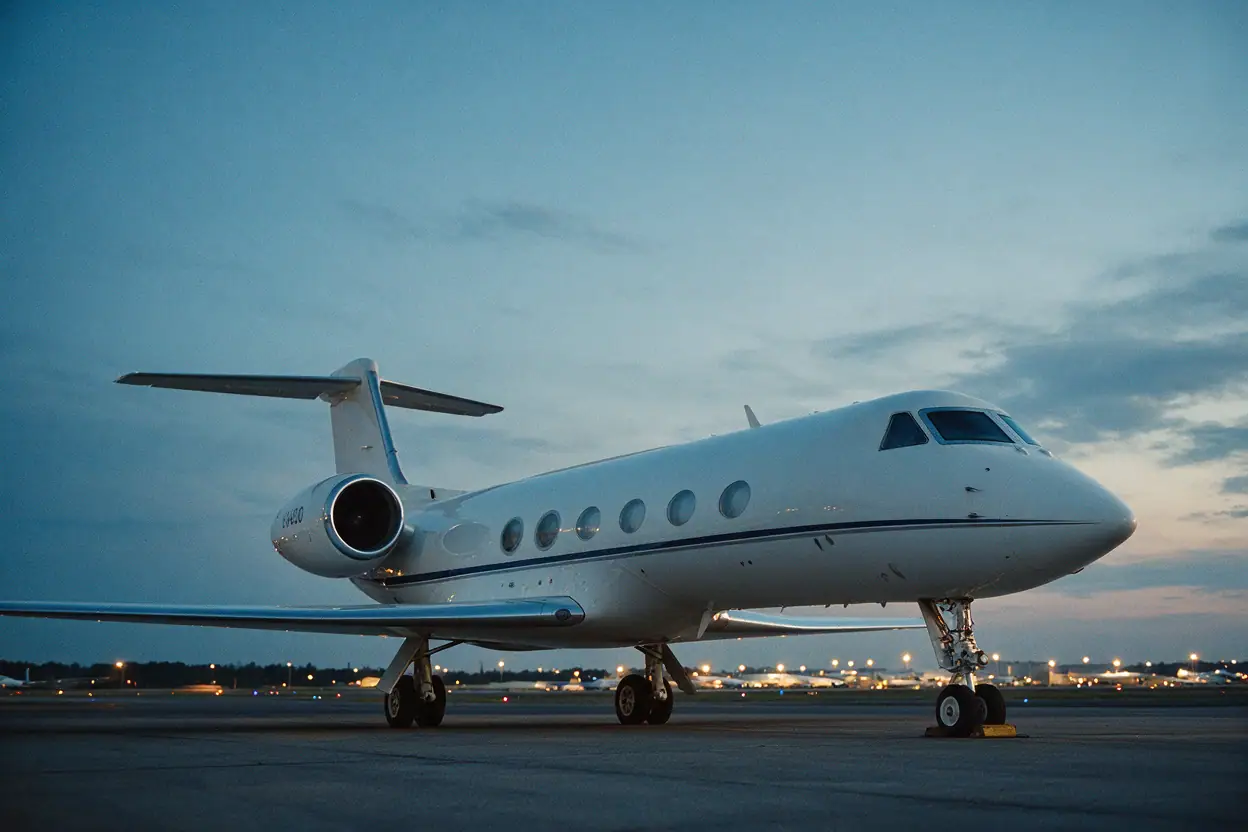

A heavy jet is the cabin class above midsize: 10 to 14 seats, a stand-up cabin around 6 ft 2 in tall, and 4,000 nautical miles of typical range at roughly 470 knots. Two of the airframes you will see most often on US charter quotes are the Gulfstream G450 and the Bombardier Challenger 650, and a heavy jet hourly rate from $9,500 to $14,500 reflects that cabin and range. Hourly figures are the starting point for every estimate, but they rarely equal what you pay.
The difference between the hourly rate and the invoice is where most comparisons go wrong. Charter pricing is billed on flight time, then adjusted for ferry legs, crew duty and overnight, airport and FBO fees at both ends, international fees where they apply, and peak-date demand. On a 2,129-mile New York to Los Angeles flight, the heavy jet cost runs $48,000 to $73,500 nonstop in 5h 03m of flying. Ask for a quote that separates flight time from everything else so you can compare operators line by line.
Short legs show the same math in miniature. Los Angeles to Las Vegas is only 199 miles and 0h 45m in the air, still quoted at $9,500 to $14,500 because a heavy jet carries fixed costs that do not shrink with distance. Where a light or midsize aircraft could fly the same route for less, the heavy cabin is a comfort and baggage decision more than an efficiency one. For a Los Angeles to Las Vegas leg under an hour, heavy jet cost starts at $9,500 and rarely falls below it.
The cabin itself explains part of the price. Fourteen seats, 169 cu ft of baggage on the G450, and the range to cross the country or reach Europe without a fuel stop are what you are paying for. When the party is eight people with ski bags and golf clubs, the per-person figure often comes closer to premium commercial fares than travelers expect. When a group of ten shares a heavy jet, the cost per passenger can approach premium cabin pricing on long routes.
Gulfstream G450
The G450 seats up to 14 and cruises at 476 knots with 4,350 nautical miles of range, so it handles every US coast-to-coast route in the sample without a stop. The cabin measures 6 ft 2 in tall and 45 ft 1 in long, with 169 cu ft of baggage, which is the volume that makes ski and golf trips work. Expect quotes at the higher end of the hourly band on long legs, and ask whether the aircraft has a berth setup for red-eyes. Estimates only until an operator confirms availability and crew.
- 14 pax
- 476 kt cruise
- 4,350 nm range
- 169 cu ft luggage
- 610 recorded in US
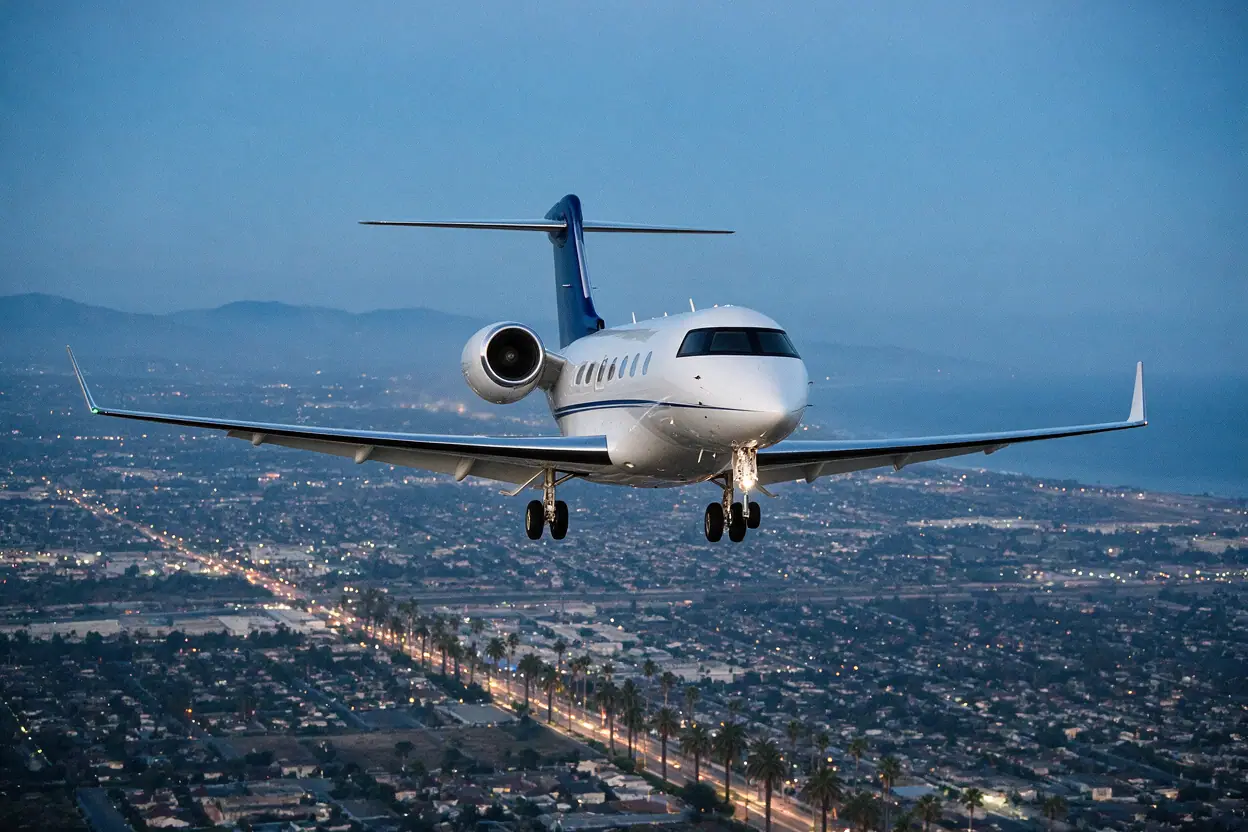
Bombardier Challenger 650
The Challenger 650 seats 12 and cruises at 470 knots with 4,000 nautical miles of range, enough for New York to Los Angeles nonstop in about 5h 03m of flight time. Its cabin is 6 ft 2 in tall and 28 ft 4 in long with 115 cu ft of baggage, so it suits ten passengers with regular luggage better than a gear-heavy group. Flat-floor cabin and wide seating make it a common pick for business travel where the day continues on arrival. Figures are estimates, not a confirmed quote.
- 12 pax
- 470 kt cruise
- 4,000 nm range
- 115 cu ft luggage
- 562 recorded in US
When a heavy jet is the right spend
- Ten or more passengers traveling together, where a smaller cabin would mean splitting the group across two aircraft.
- Transcontinental legs such as New York to Los Angeles, where 4,000 nautical miles of range means no fuel stop and no added hours.
- Ski and golf trips with bulky gear, where the baggage volume matters as much as the seat count.
- Overnight and multi-day trips where the cabin becomes a working space and crew duty drives the schedule.
What a heavy jet quote does not cover
A per-hour figure is not a final price. Ferry legs to collect the aircraft, crew overnight and duty limits, de-icing in winter, hangar or ramp fees at both airports, and catering all sit outside the hourly number, and on short flights they can add up to a large share of the total. When you compare two quotes for the same route, compare what each one includes rather than the headline rate.
Estimates in this range move with demand. Holiday weeks, major events and the days around them push heavy jet cost higher because the same aircraft are booked to the same places, so booking earlier widens your choice of airframes and airports. On international legs, CBP clearance at the port of entry adds time to the schedule and should be planned into the day.
Heavy jet costs along frequent routes
Route length, not the hourly rate alone, decides most of the invoice. The sample legs below run from 96 nautical miles between Denver and Aspen to 2,129 between New York and Los Angeles. Each figure covers flight time only and is an estimate; fees, ferry and crew costs sit on top.
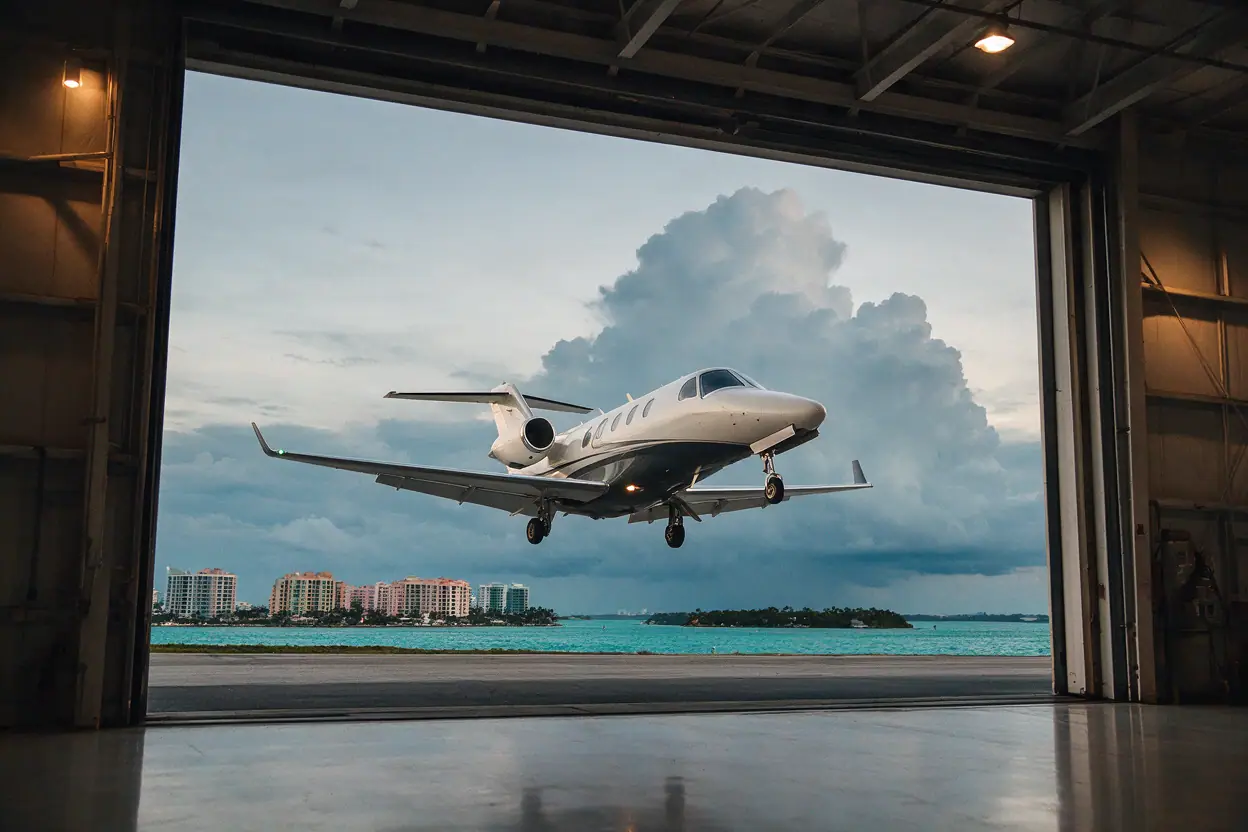
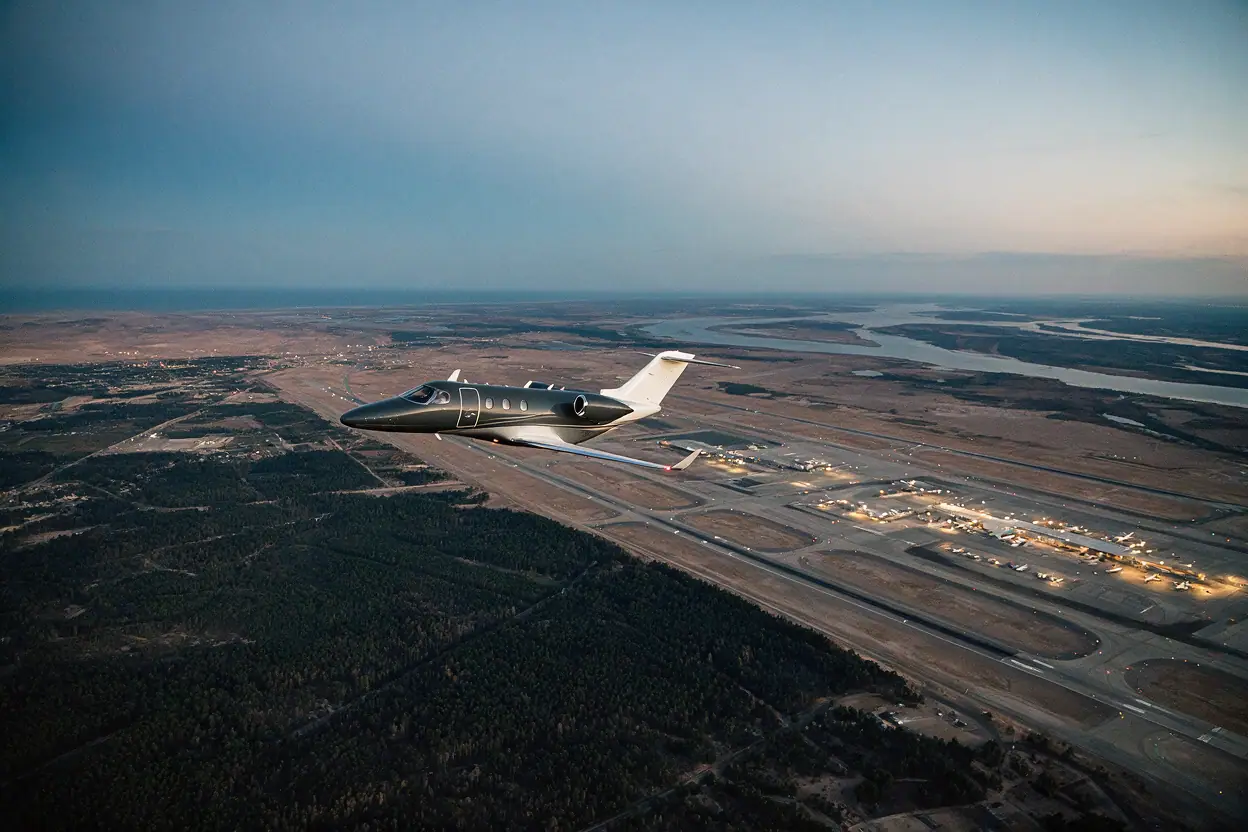
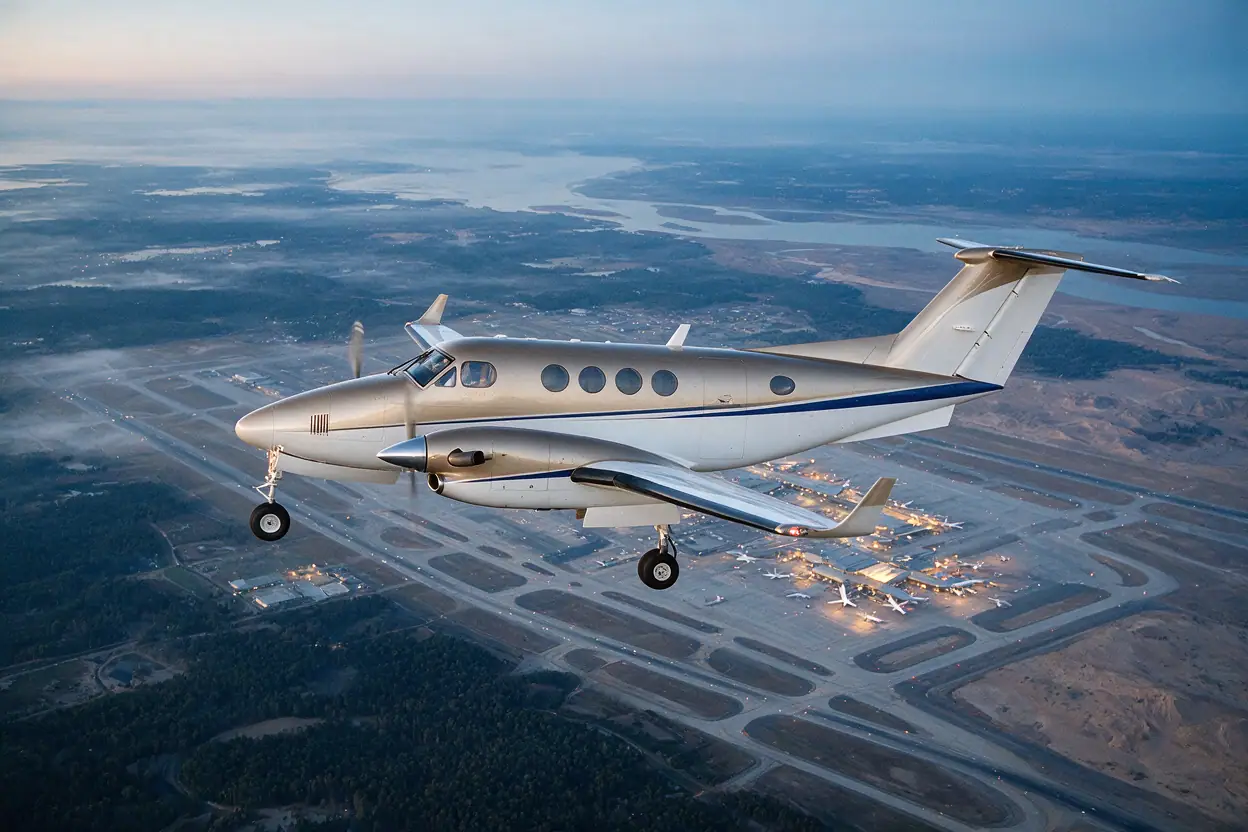

Heavy jet charter durations and fares by route
On a heavy jet, these 11 routes take 0h 31m to 5h 15m, with single-leg estimates ranging $9,500 to $76,000.
| Trip | Dur. | One-way est. |
|---|---|---|
| New York → Miami | 2h 25m | $23,000–$35,000 |
| New York → Los Angeles | 5h 03m | $48,000–$73,500 |
| Los Angeles → Las Vegas | 0h 45m | $9,500–$14,500 |
| New York → Palm Beach | 2h 19m | $22,000–$33,500 |
| Los Angeles → San Francisco | 0h 55m | $9,500–$14,500 |
| New York → Las Vegas | 4h 37m | $44,000–$67,000 |
| San Francisco → Las Vegas | 1h 06m | $10,500–$16,000 |
| Denver → Aspen | 0h 31m | $9,500–$14,500 |
| Houston → New York | 3h 03m | $29,000–$44,500 |
| Dallas → New York | 2h 58m | $28,000–$43,000 |
| Los Angeles → Honolulu | 5h 15m | $50,000–$76,000 |
FAQ
What is the heavy jet cost per hour in 2026?
Heavy jet cost runs $9,500 to $14,500 per flight hour, depending on the airframe, the route and the season. A Gulfstream G450 or Challenger 650 sits in that band because both carry 10 to 14 passengers at around 470 knots. Hourly figures exclude ferry time, crew overnight and airport fees, so treat them as a starting estimate rather than the final invoice.
What does a heavy jet cost from New York to Miami?
New York to Miami is 949 nautical miles and about 2h 25m of flying, quoted at $23,000 to $35,000 nonstop. The spread reflects aircraft type, date and demand rather than distance alone. Flights on peak winter weekends land near the top of that range, so flexible dates are worth comparing. All figures are estimates until an operator confirms the trip.
How much does a coast-to-coast heavy jet flight cost?
New York to Los Angeles, 2,129 nautical miles and 5h 03m nonstop, is quoted at $48,000 to $73,500. New York to Las Vegas at 1,935 nautical miles comes in at $44,000 to $67,000 for 4h 37m. Both fit comfortably inside a heavy jet's 4,000 nautical mile range, which is why no fuel stop appears in either estimate.
Can a heavy jet fly short routes without a big penalty?
It can, but the hourly band still applies. Los Angeles to Las Vegas is 199 nautical miles and 0h 45m, quoted at $9,500 to $14,500; Los Angeles to San Francisco is 279 nautical miles in 0h 55m at the same band. Fixed costs do not shrink with distance, so a light or midsize aircraft may cost less on these legs.
How many passengers fit on a heavy jet?
Heavy jets carry 10 to 14 passengers. The Gulfstream G450 seats up to 14 with 169 cu ft of baggage, while the Challenger 650 seats 12 with 115 cu ft. When the group is ten or more with luggage for a week, the larger cabin and baggage volume are usually what decides between the two airframes.
What adds to the heavy jet cost beyond flight hours?
Ferry legs, crew duty and overnight, airport and FBO fees at both ends, de-icing, catering and international clearance all sit outside the hourly rate. On a short leg those extras can rival the flight time charge. Compare quotes on what each one includes, and confirm the total before you commit.